Understanding the psychological triggers that influence gambling behavior
Gambling addiction is a complex psychological issue that affects millions of individuals worldwide. It is characterized by an uncontrollable urge to gamble, despite the negative consequences that may arise. Understanding the psychological aspects that underpin this addiction is crucial for developing effective prevention and treatment strategies. Cognitive-behavioral theories suggest that faulty thinking patterns contribute significantly to gambling behaviors, leading individuals to overestimate their chances of winning or underestimate the risks involved. Additionally, many players can take advantage of promotional offers, such as Tcl99 Bonuses, which can further entice them to engage in these activities.
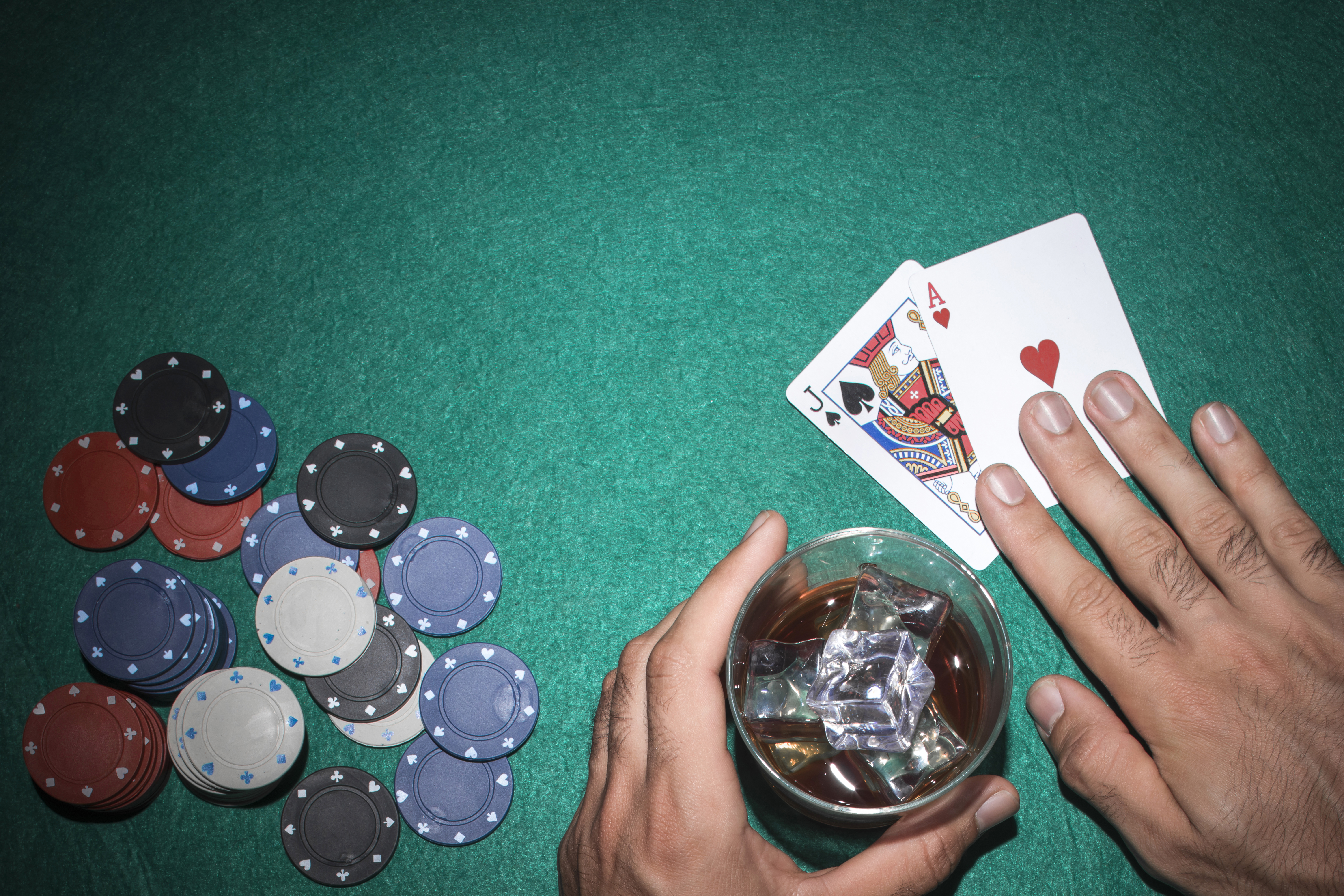
These cognitive distortions are often reinforced through emotional triggers, such as excitement and euphoria associated with winning. For many, gambling serves as an escape from daily stressors, leading them to engage in risky behavior. The feeling of control and the anticipation of a win can create a dopamine rush, further entrenching the gambling habit and making it difficult for individuals to break free. Recognizing the emotional and cognitive components of gambling addiction is the first step toward fostering healthier behaviors.
Moreover, social influences play a role in shaping gambling habits. Peer pressure, social acceptance, and cultural attitudes towards gambling can either encourage or discourage participation. Communities that normalize gambling can inadvertently foster a climate in which gambling behavior is viewed as an acceptable risk. This highlights the need for community awareness and education to address the factors contributing to gambling addiction, ensuring that individuals understand the psychological triggers at play.
Another significant trigger is the phenomenon of “near misses.” Players often experience situations where they come close to winning but ultimately lose. This can create a false sense of potential success, encouraging them to gamble again in hopes of hitting that elusive jackpot. Behavioral economics suggests that near misses can lead to increased gambling frequency, as players believe they are more likely to win in the future. This cognitive bias can severely impact decision-making processes, leading to escalating gambling behaviors.
Furthermore, emotional states such as stress, boredom, or loneliness can amplify the urge to gamble. For individuals seeking emotional relief or stimulation, gambling can serve as a coping mechanism. Recognizing and managing these emotional triggers is vital for anyone attempting to change their gambling habits. Support systems, such as therapy and community programs, can provide essential resources for those looking to address these underlying psychological factors.
Social environments that celebrate gambling can create a sense of belonging, reinforcing participation. For example, social gatherings that involve casino nights or sports betting can normalize the behavior and encourage individuals to partake. Conversely, environments that promote responsible gaming can help mitigate the risks associated with gambling. Awareness campaigns and community support can foster a culture that prioritizes responsible choices, thus reducing the likelihood of addictive behaviors.
Additionally, advertising plays a crucial role in shaping perceptions of gambling. Marketing strategies often focus on the excitement and potential rewards, downplaying the risks involved. Misleading portrayals can encourage individuals to take up gambling without fully understanding the consequences. A balanced approach to gambling promotion is essential, emphasizing both the risks and rewards to help individuals make informed choices.
This risk-reward dynamic is compounded by cognitive biases such as the illusion of control. Gamblers often believe they can influence the outcome of a game, even when the results are purely random. This misguided belief can lead to irrational decision-making, where individuals may continue to gamble despite overwhelming odds against them. Understanding these psychological pitfalls is essential for developing effective interventions aimed at reducing harmful gambling behaviors.
Moreover, the social aspects of gambling often play into this risk-reward equation. Engaging with others in gambling activities can amplify excitement and create a sense of camaraderie. However, this social dynamic can also lead to reckless decisions, as individuals may feel compelled to keep up with their peers or prove their gambling prowess. Educating individuals on the psychological factors that drive risk-taking in gambling can empower them to make more informed decisions and cultivate healthier habits.

The website also prioritizes player support, offering access to resources and helplines for those who may be struggling with gambling-related issues. By creating an environment that promotes accountability and awareness, TCL99 aims to reduce the risk of gambling addiction and foster a culture of responsible play. Understanding the psychological triggers that influence gambling behavior can help players navigate their experiences more effectively.
In addition to its commitment to responsible gaming, TCL99 provides an extensive array of promotions and bonuses that can enhance the gaming experience. By focusing on a balanced approach that emphasizes both enjoyment and responsibility, the platform seeks to create a gaming community that prioritizes well-being and informed choices. This commitment is essential in shaping a more positive gambling landscape for all players.
© 2024 NG Asset Management LTD - All Rights Reserved - Designed by Fast Generations Ltd